
Malaysia targets 902 clinics for integrated lung health rollout by end-2026
PUTRAJAYA, May 19 — Malaysia has stepped up its efforts to translate the World Health Assembly’s Lung Health Resolution into practical action by pursuing an integrated healthcare approach and forging strong public-private partnerships to improve respiratory health outcomes nationwide.
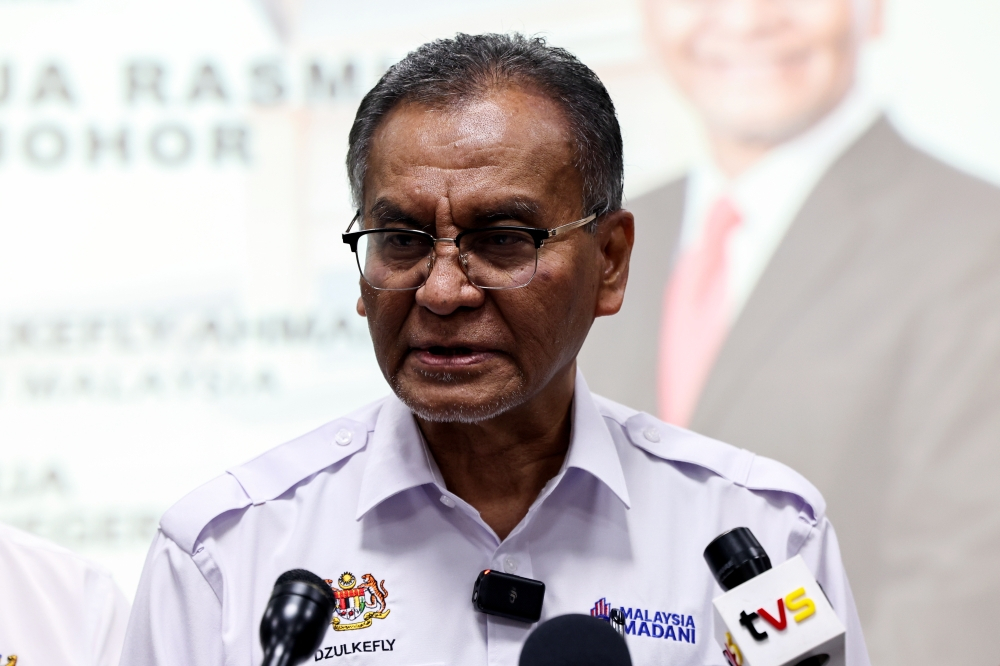
Health Minister Datuk Seri Dzulkefly Ahmad said that over the past year, Malaysia has focused on implementing the resolution through two key strategies: strengthening integrated lung health services at the primary care level and operationalising a whole-of-society approach under the Lung Health Initiative Malaysia.
“Together, these two approaches reflect the very heart of the resolution – advancing an integrated lung health approach through a whole-of-society model that mobilises government, healthcare providers, civil society, and the private sectors towards a shared public health goal,” he said.
He said this in a speech for the Lung Health Forum: From Resolution to Action – Government Leadership on Lung Health, to mark the 79th World Health Assembly (WHA79), which was shared by the Ministry of Health (MOH) here today.
Dzulkefly said the first approach focused on integrating health promotion, prevention, screening, early detection and referral pathways into a more person-centred continuum of care within primary healthcare settings.
This approach recognises a simple but critical reality: respiratory diseases often share common risk factors and frequently overlap within the same communities, which makes coordinated service delivery essential rather than fragmented, disease-specific interventions.
The second strategy focuses on strengthening public-private partnerships under the Lung Health Initiative Malaysia, bringing together nine strategic partners, including the National Cancer Society Malaysia, AstraZeneca and IHH Healthcare Malaysia.
“Through these collaborations, efforts in community engagement, awareness, screening, diagnostics, access to care and patient support have been further strengthened,” he added.
A coffee table book titled “A Breath For The Future: Malaysia’s National Lung Health Initiative” was published to mark Malaysia’s progress in advancing integrated lung health from international leadership to national implementation.
“We are honoured to launch this coffee table book at this event, documenting Malaysia’s journey in advancing integrated lung health and reflecting the whole-of-society approach towards translating the Resolution into meaningful action,” he said.
Dzulkefly said Malaysia had also developed several policy documents, including the Lung Health Initiative Roadmap, National Strategic Plan and Implementation Guideline to operationalise an integrated lung health agenda nationwide.
“By the end of 2026, 902 health clinics are expected to implement the integrated lung health approach, including 65 clinics with occupational health services,” he said.
He added that Malaysia is scaling up AI-assisted chest X-ray screening, including ultra-portable imaging technologies for underserved and hard-to-reach communities.
Workplace screening programmes have also been expanded through the LungShield Programme, a strategic partnership between the National Cancer Society Malaysia and IHH Healthcare Malaysia, focusing on lung cancer screening and early detection among frontline and high-risk occupational groups.
Looking ahead, Dzulkefly said Malaysia believes integrated lung health must be embedded within primary healthcare systems as part of universal health coverage strategies, while strengthening prevention and early detection through tobacco and vaping control, smoking cessation, vaccination and better air quality governance.
“The next phase must focus on sustained implementation, measurable progress and stronger collaboration to improve respiratory health outcomes globally,” he concluded.
