
Adat Perpatih in the spotlight: The unique royal tradition looming over Negeri Sembilan’s next election
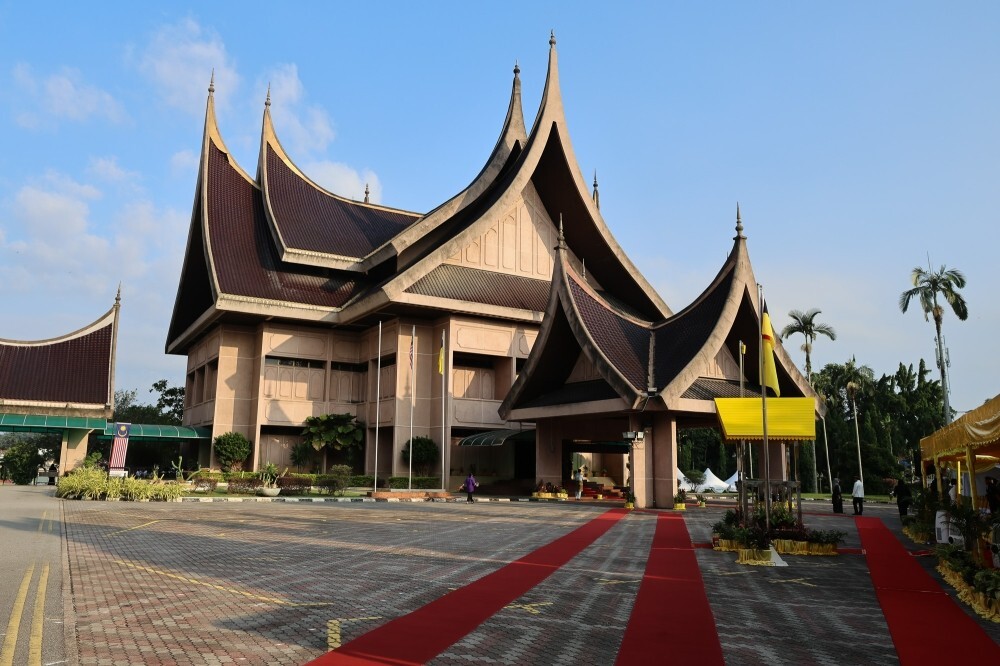
KUALA LUMPUR, July 18 — “Apo kono eh jang?” This iconic phrase has taken on a new weight as Malaysians turn their eyes toward Negeri Sembilan.
While the state prepares for an election to choose 36 assemblymen, in the backdrop is a rare constitutional dispute involving its centuries-old royal institutions.
To understand what is at stake in this election, it is vital to understand the state’s unique identity. Negeri Sembilan is the only state in Peninsular Malaysia where the ruler is elected rather than automatically inheriting the throne. This makes it one of the few remaining elective monarchies in the world.
In states like Johor or Selangor, succession is straightforward. The throne typically passes to the eldest prince or a designated heir. Negeri Sembilan operates under Adat Perpatih, a customary system brought over by Minangkabau settlers from Sumatra.
Under this system, the ruler is known as the Yang di-Pertuan Besar. He does not simply ascend the throne upon the passing of his predecessor. Instead, he must be chosen from among eligible members of the royal family.
The four chieftains
The power to elect the Yang di-Pertuan Besar rests with four hereditary chiefs known as the Undang Yang Empat. These Undangs are not merely ceremonial figures. They are the custodians of Adat Perpatih within their respective territories, or luak.
The four traditional districts represented are:
- Sungai Ujong
- Jelebu
- Johol
- Rembau
When the throne becomes vacant, these four chiefs meet to select a successor from among the eligible princes of the royal house.
While they do not govern the state’s daily affairs, their constitutional role in choosing the head of state is unmatched by any other traditional chiefs in Malaysia.
Dewan Keadilan dan Undang (DKU)
Another institution currently in the spotlight is the Dewan Keadilan dan Undang (DKU). This is the highest customary council in the state. It brings together the Yang di-Pertuan Besar, the Undang Yang Empat and other senior traditional office holders.
The DKU deliberates on matters of royal custom and tradition. It recently became the subject of a court dispute over who had the authority to manage its meetings and suspend or remove its secretary.
The conflict raised an important constitutional question: who has the final authority to act for these traditional institutions when their leaders disagree?
Why it matters now
The current political tension began when disputes involving the state’s traditional institutions spilled into the public sphere.
On April 19, three Undangs and Mubarak Dohak — whose status as Undang of Sungai Ujong was disputed — declared that the sitting Yang di-Pertuan Besar, Tuanku Muhriz ibni Almarhum Tuanku Munawir, had been removed as ruler.
The state government rejected the declaration, and Prime Minister Datuk Seri Anwar Ibrahim later reaffirmed that the federal government continued to recognise Tuanku Muhriz as the lawful ruler.
However, the dispute led to a political deadlock after all 14 BN assemblymen withdrew their support for then menteri besar Datuk Seri Aminuddin Harun, accusing his administration of mishandling the crisis and interfering in royal affairs.
The withdrawal left the state government without a clear majority. With Johor also heading for a snap election, the Negeri Sembilan assembly was eventually dissolved to make way for fresh polls.
