
S&P puts Nvidia on downgrade notice over compromised board oversight and CEO turmoil
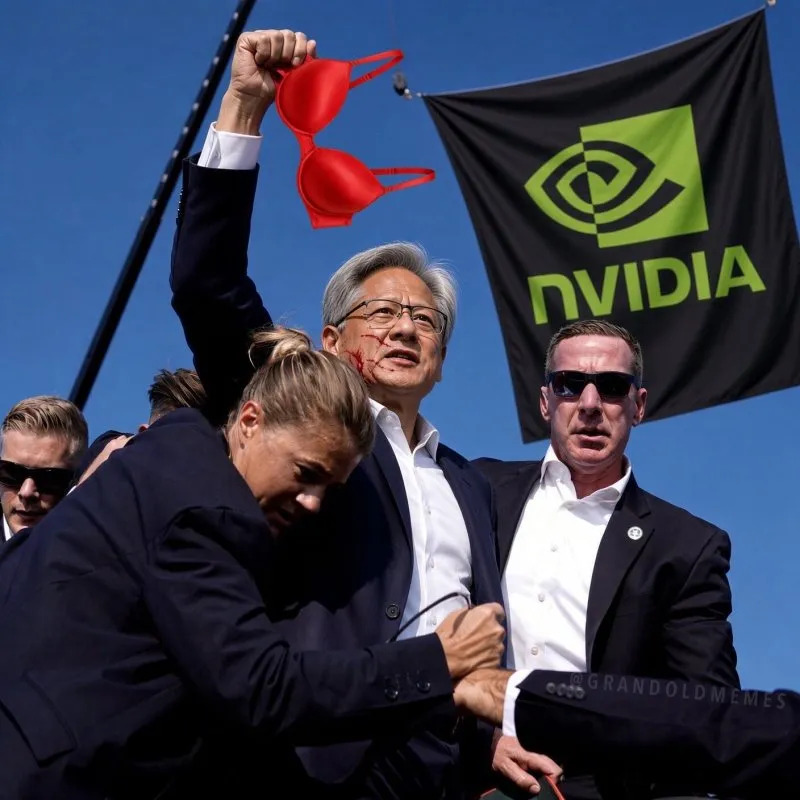
NEW YORK, Nov 26 — S&P Global Ratings placed Nvidia’s “AA” credit rating on watch for a potential downgrade on Wednesday, warning that the abrupt resignation and swift reinstatement of chief executive Jensen Huang revealed systemic deficiencies in management and board oversight at the world’s premier artificial intelligence chipmaker.
“We believe the long tenure of certain board members may have compromised their independence. The company’s corporate governance practices may also not have kept pace with Nvidia’s rapid growth and its role as a critical global technology enabler,” the ratings agency said.
According to Reuters, S&P indicated it could downgrade Nvidia by one notch within the next 90 days, cautioning that a more severe cut could follow if continuing regulatory investigations inflict lasting damage on the company’s corporate reputation or commercial prospects.
The credit warning compounds an unprecedented period of executive instability in Silicon Valley. Nvidia directors reinstated Huang on Monday, barely a week after the 63-year-old co-founder resigned over revelations of extramarital relationships with direct reports and a former executive at Singapore-based cloud provider Megaspeed.
The reversal drew intense criticism from corporate governance specialists and lawmakers, particularly after the board’s newly appointed chair had assured institutional investors that Huang would not return because his personal conduct breached the company’s code of conduct.
In announcing his return, Nvidia omitted reference to the workplace misconduct, stating instead that the decision was “based on US government input,” while an independent board committee continued probing reports surrounding foreign intelligence efforts.
The political pressure surrounding the reinstatement was underscored by reports that the US Department of Justice conducted no formal inquiry into Huang before President Donald Trump publicly lobbied for his return.
Federal authorities reportedly concluded there was no evidence he violated federal statutes based on existing export-smuggling investigations into client firms Super Micro and Megaspeed International, though prosecutors cautioned that the assessment remains fluid.
Separately, the Wall Street Journal reported that a classified congressional briefing by the CIA, FBI, National Security Agency, and the Office of the Director of National Intelligence found no indication that Beijing directed tech executive Alice Huang to target Jensen Huang.
While intelligence officers noted that Alice Huang maintained contact with China’s Ministry of State Security during the relationship and that her husband, Kang Wei, was an active intelligence asset, officials assessed that the affair was romantic rather than an orchestrated state intelligence operation.
Rival agency Moody’s struck a more pragmatic tone, affirming Nvidia’s Aa1 rating with a stable outlook. Moody’s argued that returning Huang to the helm eliminates critical leadership transition risks and stabilizes core operational execution, even as regulatory and board governance uncertainties persist.
Equity markets took S&P’s warning in stride, with Nvidia shares sliding nearly four per cent on Wednesday to extend a broader 38 per cent decline since early October, while debt insurance costs held steady.
The governance upheaval arrives as analysts scrutinise Nvidia’s circular financing arrangements across the technology sector. By aggressively bankrolling artificial intelligence startups, specialized cloud operators, and data centre developments that subsequently reinvest those capital injections into Nvidia’s proprietary computing hardware, the semiconductor giant faces heightened vulnerability to systemic shocks if broader industry spending cools.
