
Singapore dengue cases hit 2026 high as city-state enters peak mosquito season
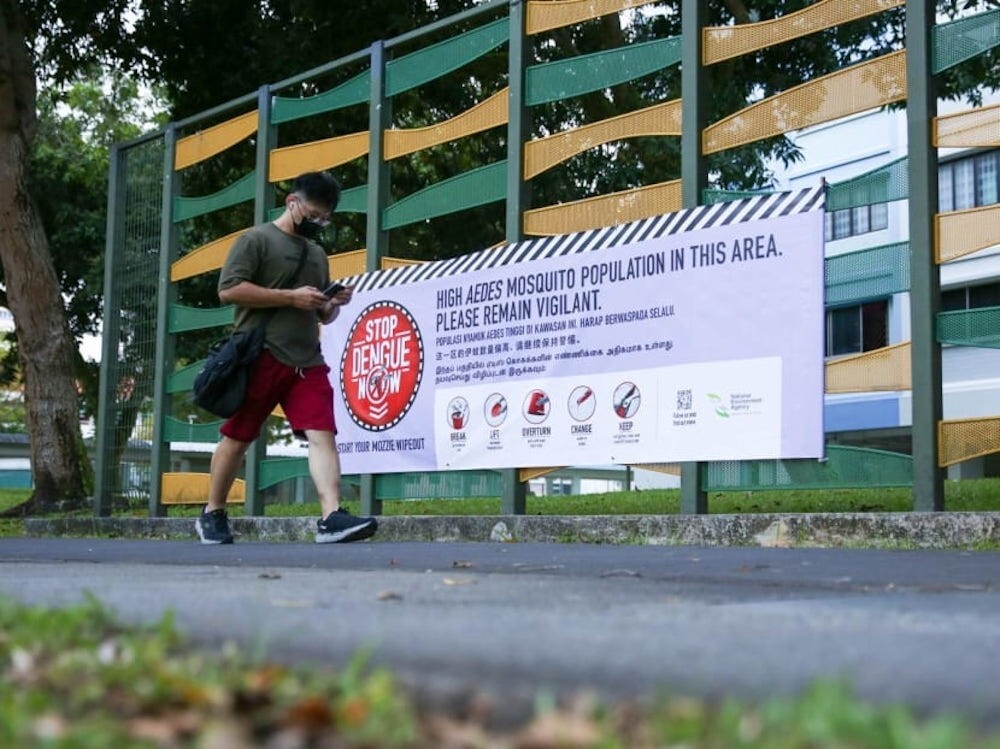
SINGAPORE, May 27 — Singapore has recorded its highest weekly dengue case count so far this year, with infections more than doubling in a week as the city-state enters its annual peak dengue season.
According to Singapore’s National Environment Agency (NEA), 53 dengue cases were reported in the week ending May 23, up sharply from 26 cases the previous week, reported The Straits Times.
The latest figures come as Singapore enters the traditional dengue peak period between May and October, when warmer and wetter conditions fuel mosquito breeding and virus transmission.
As of May 25, there were six active dengue clusters across the island republic, though none had reached the “red alert” category reserved for high-risk areas with at least 10 cases.
The clusters were located in areas including Braddell Hill, Defu South Street 1 and Depot Road, while three others were concentrated in Singapore’s north-east region around Mimosa Vale, Nim Drive and Jalan Jarak.
Under NEA guidelines, dengue clusters are identified when two or more infections occur within 14 days and within a 150m radius of each other.
Despite the latest spike, overall dengue infections in Singapore remain significantly lower than last year. NEA said more than 600 cases were recorded between January and May 15, marking a 66 per cent drop compared with the same period in 2025.
One dengue-related death was reported between January and March this year.
Singapore recorded its deadliest dengue outbreak in 2020, when 32 people died from the mosquito-borne disease. The previous highest death toll was 25 in 2005.
In a statement issued on May 16, NEA said inspections carried out across the island in 2025 uncovered 20,469 mosquito breeding habitats from more than 565,000 premises checked.
It said 65 per cent of Aedes mosquito breeding sites in dengue cluster areas were found inside homes, while public areas accounted for 23 per cent.
“Singapore’s tropical climate and high population density create ideal conditions for mosquitoes to thrive,” NEA said, urging residents to remove stagnant water and eliminate breeding grounds around homes.
The agency also advised residents to use insect repellent, spray insecticide in dark corners and wear long-sleeved clothing to reduce the risk of mosquito bites.
