
Most infrastructure ready ahead of 2027 dual Year One intake, says education minister
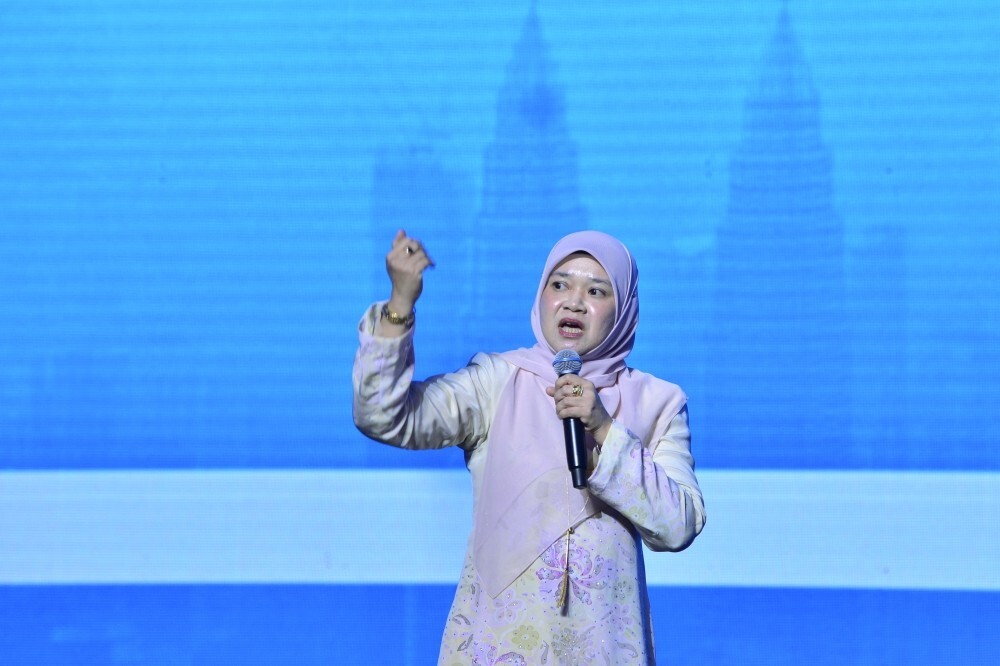
PUTRAJAYA, July 28 — The majority of infrastructure projects to support the intake of six-year-old Year One pupils for the 2027 school session have been completed ahead of schedule, Education Minister Fadhlina Sidek said.
She attributed the achievement to the commitment of all parties involved in ensuring school facilities are fully prepared before the start of the new academic year.
“In our preparations, particularly the infrastructure needed to accommodate the intake of six-year-olds, some projects have already been completed well ahead of schedule,” she said while addressing the Ministry of Education’s (MOE) monthly assembly here today.
Fadhlina said the ministry is also making comprehensive preparations for teacher placement and other operational requirements based on projected student enrolment to ensure a smooth transition for the dual Year One intake.
However, she noted that the ministry continues to receive inquiries and registration applications from parents even as planning for next year’s school session enters its final stage.
“Our preparations, including teacher placements, were based on established projections. However, as of yesterday, we were still receiving inquiries and registrations for these six-year-olds,” she said.
She added that the continued response from parents reflects growing confidence in the policy and trust in the ministry’s ability to manage its implementation effectively.
Earlier, Deputy Education Minister Wong Kah Woh told the Dewan Rakyat that the ministry’s preparations for the dual Year One intake in 2027 include the construction of 2,596 new classrooms and the recruitment of 3,150 teachers on a Contract of Service (COS) basis, based on current registration figures.
He said the ministry has received 73,386 registration applications from six-year-olds for the 2027 school session, while the number of seven-year-old pupils expected to enter Year One stands at 405,033.
Meanwhile, Fadhlina announced that the ministry will designate 10 model schools in every district to accelerate the implementation of education reforms beginning next week.
She said each district will identify five primary schools and five secondary schools to spearhead reforms focused on strengthening school culture, improving the learning ecosystem, and enhancing the quality of education and service delivery.
“I have engaged with these schools, and each one has shown a strong commitment to driving meaningful change and reform by improving educational quality, student outcomes, and teacher professionalism and expertise,” she said.
Fadhlina stressed that genuine school reform extends beyond upgrading physical infrastructure and must be driven by a transformation in work culture and mindset across the entire school community.
“There are no shortcuts to reform. Simply installing air conditioning in every school or smart boards in every classroom does not constitute reform.
“Reform is about fostering changes in culture, the ecosystem, and mindsets…changes that must be embraced by the entire school community to elevate schools into high-performing institutions,” she said.
