
Malaysia hits 34.4 million population; Selangor largest, Terengganu fastest-growing as 12 states enter ageing status, says Stats Dept
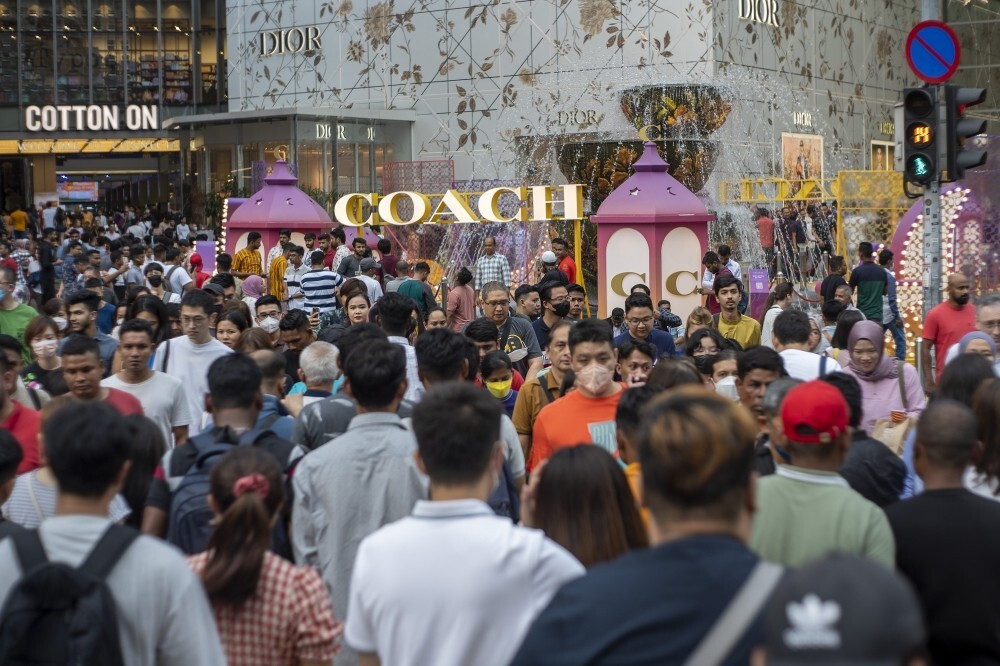
PUTRAJAYA, July 31 — Malaysia’s population is estimated to reach 34.4 million in 2026, up from 34.2 million last year, while 12 states have now been classified as ageing states, according to the Department of Statistics Malaysia (DOSM).
In its latest statistics released today, DOSM said the population estimate for 2026 represented a growth rate of 0.5 per cent, with the increase based on the cohort-component method that takes into account births, deaths and migration.
The citizens’ population rose from 30.8 million in 2025 to 31 million in 2026, recording a growth rate of 0.6 per cent, while the non-citizen population declined by 0.2 per cent.
At state level, Terengganu recorded the highest population growth rate at 1.2 per cent, followed by Kelantan at 1 per cent, while Selangor, Putrajaya and Pahang each recorded growth of 0.6 per cent.
Selangor remained the state with the largest share of Malaysia’s population in 2026 at 21.7 per cent, followed by Johor at 12.3 per cent and Sabah at 11 per cent.
DOSM said the proportion of children aged 0 to 14 years declined from 21.6 per cent in 2025 to 21.2 per cent in 2026, while the working-age population aged 15 to 64 remained unchanged at 70.4 per cent.
Meanwhile, the proportion of those aged 65 years and above increased from 8 per cent to 8.4 per cent during the same period, reflecting Malaysia’s changing age structure.
“Twelve states have attained ageing state status, with Perak continuing to record the highest proportion of elderly population at 10.8 per cent,” DOSM said in its Current Population Estimates, Malaysia, 2026 report released today.
A state is classified as an ageing state when the proportion of its population aged 65 years and above exceeds 7 per cent of its total population.
DOSM said Malaysia’s median age also increased to 31.7 years in 2026 from 31.3 years in 2025.
By citizenship, Malaysians made up 90.2 per cent of the population in 2026, slightly higher than 90.1 per cent the previous year, while the share of non-citizens declined from 9.9 per cent to 9.8 per cent.
Among citizens, Bumiputera continued to make up the largest ethnic group at 70.7 per cent, comprising Malays at 58.4 per cent and other Bumiputera groups at 12.3 per cent.
The Chinese population share declined to 22 per cent from 22.2 per cent in 2025, while the Indian and other ethnic groups remained unchanged at 6.5 per cent and 0.8 per cent respectively.
The male population increased from 17.9 million in 2025 to 18 million in 2026, while the female population rose from 16.3 million to 16.4 million.
DOSM said Malaysia’s overall sex ratio remained unchanged at 110 males for every 100 females, with Perlis and Putrajaya the only states where females outnumbered males.
The dependency ratio, which measures the number of children and elderly people supported by every 100 working-age persons, declined slightly from 42.1 in 2025 to 42 in 2026.
The reduction was driven by a lower young-age dependency ratio, which fell from 30.8 to 30.1, although the old-age dependency ratio increased from 11.4 to 11.9.
Malaysia’s population density also rose to 104 persons per square kilometre in 2026 from 103 persons per square kilometre in 2025, with Kuala Lumpur recording the highest density at 8,574 persons per square kilometre.
Sarawak recorded the lowest population density at 20 persons per square kilometre, followed by Pahang at 47 and Sabah at 51.
