
In Tokyo, Anwar pitches Malaysia-Japan alliance for chips, AI and clean energy
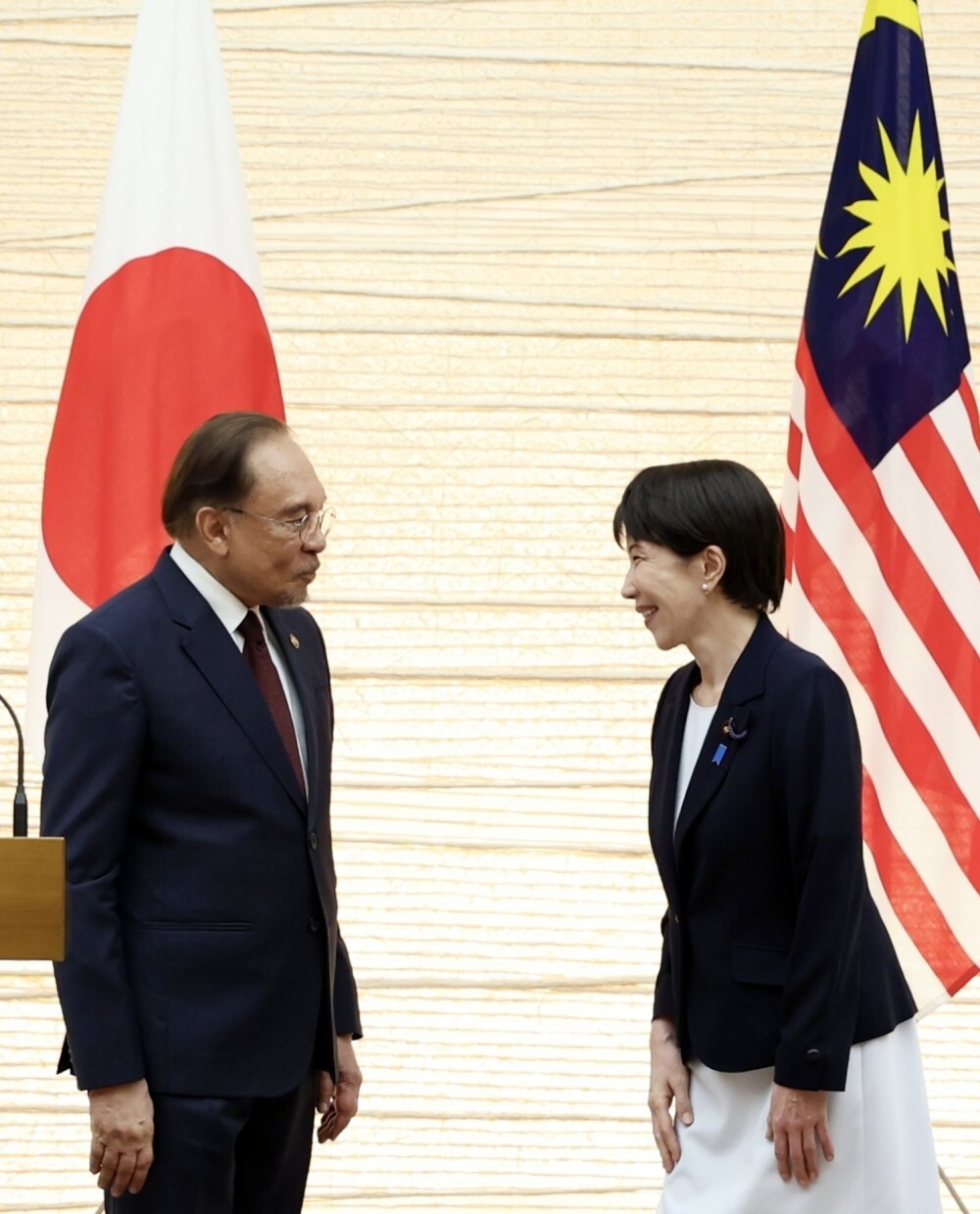
TOKYO, June 10 — Malaysia and Japan can make a meaningful contribution to strengthening regional supply chains, particularly in semiconductors, Prime Minister Datuk Seri Anwar Ibrahim said today.
He said Malaysia’s strengths in assembly, testing and advanced packaging complement Japan’s leadership in materials, equipment and advanced manufacturing, creating opportunities to build more resilient and integrated technology ecosystems.
“This is where Malaysia and Japan can make a meaningful contribution,” he said at the Nikkei Forum on “Navigating Strategic Uncertainty”, held as part of the 31st Nikkei Forum under the theme “Working Together for a More Resilient and Prosperous Asia” here.
In energy, Anwar said the partnership could support Asia’s transition to a lower-carbon future while maintaining economic growth and energy security.
He added that initiatives such as the Asia Zero Emission Community show that sustainability and development can advance together.
On the digital economy and artificial intelligence, he said cooperation is needed to ensure innovation remains people-centred and inclusive, creating opportunities rather than deepening inequalities.
“Growth, not stagnation, empowerment, not subjugation,” he stressed.
Anwar recalled Malaysia’s industrial transformation in Penang in the 1970s, saying Japanese firms played a key role in laying the foundations for its emergence as one of Asia’s leading electronics and semiconductor hubs.
He said the relationship was built not only on investment, but also on confidence, partnership and a shared commitment to long-term development.
“Today, that spirit remains highly relevant, and must continue to ride on the mantra of proactivity over passivity,” he added.
Earlier in his address to a distinguished audience at the forum, he said the international system underpinning decades of growth and development is now under significant strain.
According to Anwar, the multilateral trading system, once the cornerstone of global economic integration, faces mounting pressures from fragmentation, unilateral actions and strategic competition.
“It appears that (US President Donald) Trump’s failed ‘Liberation Day’ tariffs are being given another new lease on life via new proposed impositions invoked under Section 301 of the Trade Act of 1974,” he said.
He also pointed to a growing trend of export restrictions and industrial policies shaped by geopolitical rivalry, warning that economic interdependence is increasingly being weaponised.
“Supply chains, technology, critical minerals, finance and market access are increasingly viewed through the lens of rivalry rather than mutual benefit,” he added.
