
Breaking News
Govt looking at tougher penalties to tackle cable theft across public transport sector
KUALA LUMPUR, Oct 20 — The Transport Ministry is in the midst of drafting necessary measures
...Flood victim count at PPS records slight increase; Royal Malaysian Navy sends 100 personnel to Pangkor
IPOH, Oct 19 — A total of 156 flood victims from 50 families are seeking shelter
...Father and daughter killed as container crushes car in Sepanggar, police detain driver
KOTA KINABALU, Oct 19 — A 49-year-old trailer driver has been detained to assist investigations after
...Baby’s body found in Kuala Berang drain missing head and hand, police investigating
KUALA BERANG, Oct 17 — The body of a baby was found in a drain in
...Cable theft attempt halts power on Kajang Line for an hour, police report lodged
KUALA LUMPUR, Oct 16 — An attempted cable theft between the Phileo Damansara and Pusat Bandar
...Pakatan 95pc done with Melaka candidate talks
KUALA LUMPUR, Oct 15 — Discussions on the list of Pakatan Harapan (PH) candidates for the
...
Fisheries sector nets RM300m in 13MP funding for upgrades, aquaculture, and training
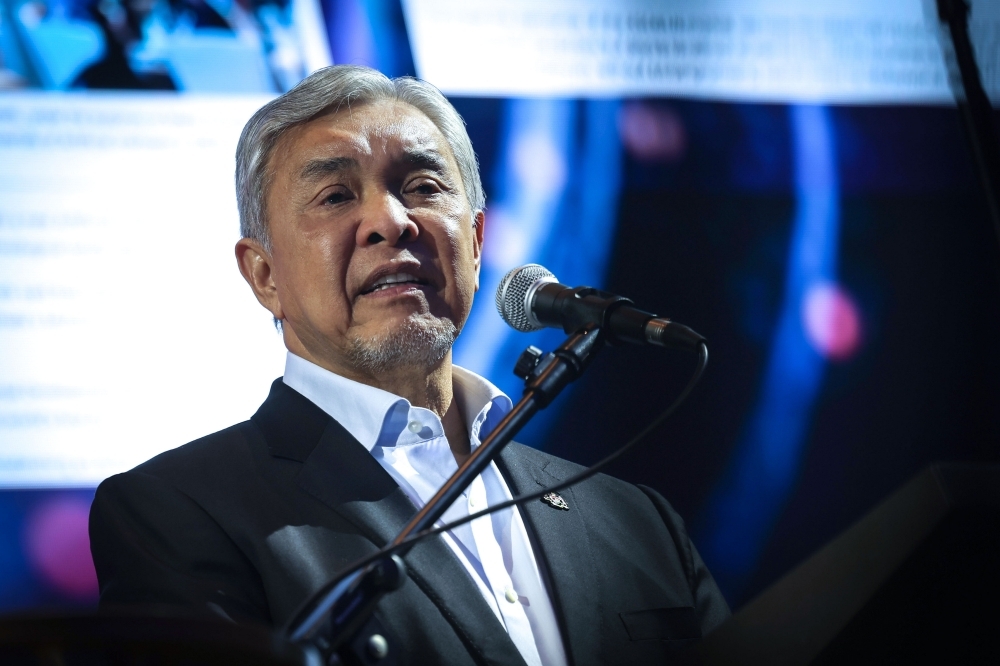
PUTRAJAYA, June 16 — The government will allocate RM300 million under the 13th Malaysia Plan (13MP) to implement two key fisheries schemes aimed at safeguarding marine resources and improving fishermen’s welfare, Deputy Prime Minister Datuk Seri Dr Ahmad Zahid Hamidi said.
He said the two schemes are the Fisheries Catch Sector Financing Scheme and the Matching Grant Scheme for the Replacement of Trawl Nets and Boats.
“Each scheme is allocated RM150 million. The Fisheries Catch Sector Financing Scheme will focus on upgrading fishing vessels and automating the fishing industry.
“The Matching Grant Scheme for the Replacement of Trawl Nets and Boats aims to encourage more sustainable and environmentally friendly fishing methods,” he said in a statement after chairing the High-Level Committee Meeting on Fishermen Development and Empowerment (JPT-PPN) today.
Ahmad Zahid, who also chairs the committee, said the meeting also agreed to implement the Fishermen Economic Transformation Through Aquaculture Project (TEMAN-AKUA): Aquaculture for B40 Fishermen, targeting unlicensed fishermen in Melaka, Negeri Sembilan and Perlis to transition into aquaculture.
The project will be implemented in four phases involving cockle and mussel farming, with a potential return of RM50 million annually.
“The total cost of RM5 million for the 2025-2029 period will be supported through the Aquaculture Delivery and Support Services System Programme (SPeKS),” he added.
Ahmad Zahid also said the Sultan Nazrin Muizzuddin Shah Fisheries College in Lumut, Perak, will train local boat skippers and fishermen under the Local Fishermen Training and Entrepreneurship Grant Programme to reduce reliance on foreign crews.
The programme includes Malaysian Skills Certificate (SKM) courses, short-term training and entrepreneurship grants of up to RM200,000. A 2025 pilot project will involve 50 participants.
The meeting also reviewed the success of Ops Tiris 1.0 to 3.0 in tackling diesel subsidy misappropriation, involving 1,600 arrests and seizures amounting to over RM400 million.
Ahmad Zahid said the targeted fuel subsidy mechanism introduced on June 10, 2024 in Peninsular Malaysia ensures that fishermen continue to receive subsidies at RM1.65 per litre through the Subsidised Diesel Control System (SKDS), with enforcement intensified in Sabah, Sarawak and Labuan.
“The Ministry of Agriculture and Food Security remains committed to introducing new initiatives to combat diesel leakage among fishermen.
“As such, I stress that the government will not compromise on leakages and misappropriation. Instead, we will strengthen targeted policies, build fishermen’s capacity, and ensure the sustainability of the fisheries industry as a pillar of national food security,” he said.
Ahmad Zahid added that the meeting also tabled the outcomes of the Fishing Community Engagement Sessions (SLU) held since November 2024, which identified 37 key issues.
He said 46 per cent of those issues have been resolved through inter-ministerial efforts, reflecting the effectiveness of the government’s inclusive and responsive approach to addressing the concerns of the fishing community.
