
AI boom helps Singapore exports jump nearly 25pc in April
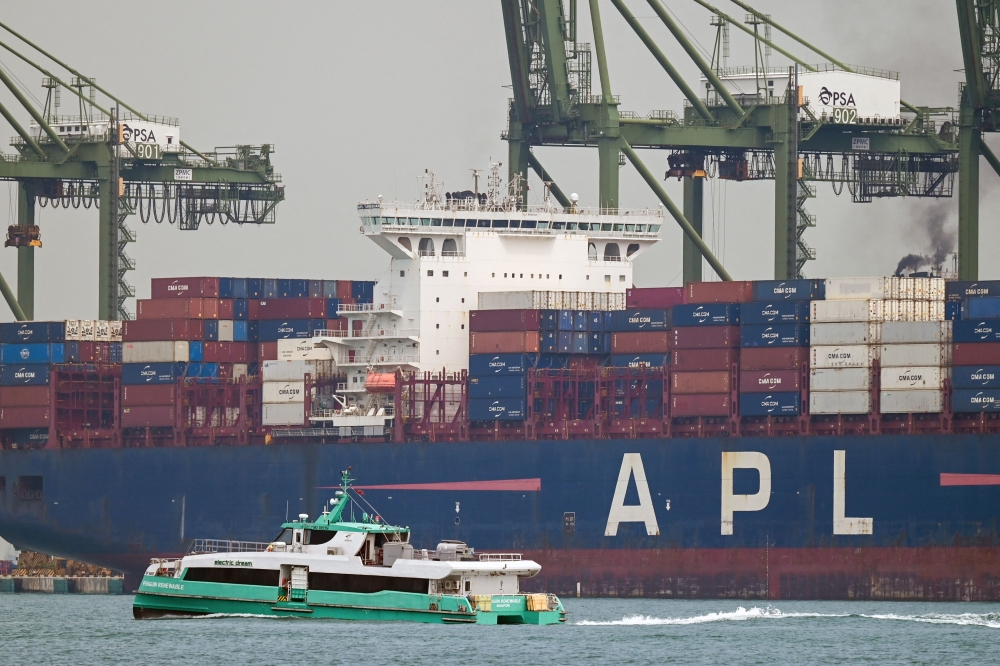
SINGAPORE, May 18 — Singapore’s exports rose nearly 25 per cent in April compared to the same month the previous year as strong demand for AI-related products outweighed the effects of the Middle East crisis, official data showed today.
Non-oil domestic exports posted forecast-beating 24.5 per cent growth that extended the 15.3 per cent rise recorded in March, said Enterprise Singapore, a government body helping local firms expand globally.
As an export-oriented economy with a small domestic market, Singapore is usually seen as a bellwether for international trade.
“Electronics (exports) continued to expand, supported by robust AI-related demand,” Enterprise Singapore said.
The rise highlights an insatiable global appetite for advanced artificial intelligence chips, key components in a diverse range of hardware, from laptops and smartphones to next-generation digital storage devices.
Exports to the US surged 59.6 per cent, reversing a fall of 2.8 per cent in March.
Shipments to China climbed 37.8 per cent from 20.3 per cent the previous month and those to the European Union rose 33.4 per cent after shrinking 12.2 per cent in March.
On May 1, Prime Minister Lawrence Wong warned that economic growth for the city-state will likely slow this year as the Middle East crisis keeps the Strait of Hormuz closed.
Shipping through the strait, though which around a fifth of global oil and gas transits, has been largely blocked by Tehran since the US and Israel carried out the strikes on Iran that began the regional war on February 28.
The closure and a rival US blockade on maritime traffic to Iranian ports has jolted global energy markets and raised fears of a dampening in international economic growth as consumers grapple with rising prices.
Wong did not provide specific figures, but the trade ministry in February said it expected the economy to expand 2-4 per cent this year, a bump from its previous forecast of 1-3 per cent.
Wong urged Singaporeans to “be prepared for a more difficult period ahead,” but also added that government policies implemented in the past to build energy resilience, including turning the small nation into a major oil refining hub and energy trading centre, would help the country deal with the crisis from a position of strength.
