
Fear mongering, fake news are more detrimental to health, economy
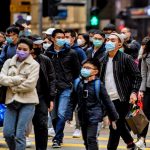
KUALA LUMPUR: The act of spreading misinformation and half-truths is nothing new; it has gone on for generations in the form of tea-time talks and gossips, with the cost being mostly broken relationships rather than any damage to the pocketbook or economy.
But times have changed.
Technological advances, smartphones and various social media platforms, where bogus identities can be easily created, have given a new lease of life to this human habit of spreading misinformation and fake news. But this time around, it can cost the government money and resources.
The World Economic Forum ranks the spread of misinformation and fake news as among the world’s top global risks.
As at the time of this article, about 13 fake news related to the 2019 novel coronavirus outbreak have been shot down by the authorities.
In Malaysia, a total of 16 people have been tested positive for the virus that is said to have originated from Wuhan, China. Of these, 12 are Chinese nationals and four are Malaysians.
Despite the government cracking down hard on misinformation and fake news, and pressing charges against those who spread them, there is still, without a doubt, dubious information on coronavirus making the rounds out there.
Countering the misinformation, fake news and fear mongering is not as easy as making a single tweet or meeting the press.
The whole government machinery is put to work, which obviously consumes much valuable time and funding that could have been better put to use in fighting the spread of the coronavirus.
According to research conducted by University of Baltimore economist, Prof Roberto Cavazos, and artificial intelligence and cybersecurity company CHEQ, fake news is costing the global economy a whopping US$78 billion (RM322 billion) a year.
It is affecting everything from public health to the economy.
Their report, titled ”The Economic Cost of Bad Actors on the Internet”, noted the high cost of health epidemics spread by fake news.
It cited the analysis of 14 million tweets done by science journal Nature, which found that fake accounts were responsible for “a disproportionate role in spreading articles from low-credibility sources”.
In an article published in The Atlantic, researchers Nat Gyenes and An Xiao Mina at Harvard’s Berkman Klein Centre for Internet and Society wrote that “around the world, digital health misinformation is having increasingly catastrophic impacts on physical health’’ both in developing countries and the G20.
The Cavazos/CHEQ report quoted Simon Stevens, the head of the National Health Service in the United Kingdom, as saying that fake news by the anti-vaccination movement on social media “has fuelled a tripling in measles cases in the country.”
“While, of course, the economic costs are decidedly secondary to the health risks from such crises, news sources spreading fake stories exacerbate both. Vaccine-preventable diseases among adults, like measles, cost the United States alone nearly US$9 billion (RM37 billion) per year, showing the damage caused by misinformation,” the report said.
It noted that resources pumped into the global economy to deal with fake news have included official investigations, new legislation, media literacy programmes and enforcement.
Hence, as lame as it may sound, unless Malaysians cultivate the habit of reading beyond the headlines and delving deep into information they receive, the fight against misinformation and fake news is going be endless and the cost will eventually be borne by none other than the taxpayers themselves.
— BERNAMA
