
The effects of Screen Dependency Disorder

The next time you leave your house and venture off into a public place, take a minute to look around. If we’re living on the same planet, it won’t be long before you see a child with eyes glued to a screen almost as big as his or her face.
While we have witnessed some incredible technological advancements in the 21st century, parents have realized that handing a child their smartphone or tablet is a convenient solution for boredom or temper tantrums.
However, this thing called “screen time” is creating brand new mental health and behavioral problems in young kids. Some of them cry, some of them break things, and some even threaten suicide.
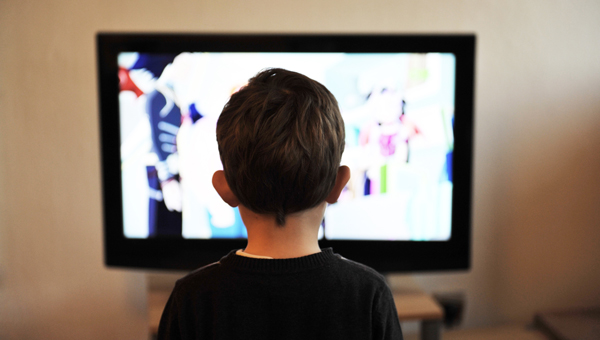
Screen Dependency Disorder: Excessive Screen Time Explained
Whether kids are playing video games or using smartphone apps, there is a growing mountain of evidence suggesting that young boys and girls are exhibiting addictive behavior. Why? Largely because of extensive exposure to (unregulated) screen time.
Whereas adult brains are more developed, children’s brains are susceptible to significant changes in structure and connectivity which can stunt neural development and lead to a screen dependency disorder. Other classifications of screen dependency disorder are:
- Internet addiction disordersc
- Internet gaming disorder
- Problematic internet use
- Compulsive internet use
- Pathological video game use
- Video game addiction
- Pathological technology use
- Online game addiction
- Mobile phone dependence
- Social network site addiction
- Facebook addiction
In psychologist Dr. Aric Sigman’s research paper published in the Journal of the International Child Neurology Association, he writes: “‘Addiction’ is a term increasingly used to describe the growing number of children engaging in a variety of different screen activities in a dependent, problematic manner.”
8 Major Symptoms of a Screen Dependency Disorder
If you have a child or grandchild, the following symptoms may present themselves if their screen time – especially on the internet and video games – compromises their ability to function.
- Preoccupation
- Withdrawal symptoms
- Increasing tolerance
- Failure to reduce or stop screen activities
- Loss of outside interests
- Continuation despite negative consequences
- Lying about extent of use
- Use to escape adverse moods
Becoming someone with a screen dependency disorder can have devastating effects. According to Family Life and Child Development specialist and Early Childhood Education consultant Claudette Avelino-Tandoc, a child’s screen dependency disorder may lead to insomnia, back pain, weight gain or loss, vision problems, headaches, anxiety, dishonesty, feelings of guilty, and loneliness.

Ultimately, however, the long-term effects of these symptoms can be as severe as brain damage. In fact, multiple studies exploring the effects of screen dependency disorder have proven that children’s brains shrink or lose tissue in the frontal lobe, striatum, and insula; these areas help to govern planning and organization, suppression of socially unacceptable impulses, and our capacity to develop compassion and empathy, respectively.
“Devices or gadgets are not bad per se. They are useful and essential tools for communication, research, learning, entertainment, among other things,” says Dr. Avelino-Tandoc. “Parents are dealing with 21st century learners, what we call ‘digital natives.’ They should allow their kids to manipulate these tools. However, balance is the key word.”
By: Healthy Holistic Living
