
Lim Guan Eng urges Anwar to raise US ‘shoot first, talk later’ AI chip curbs with Trump at Apec
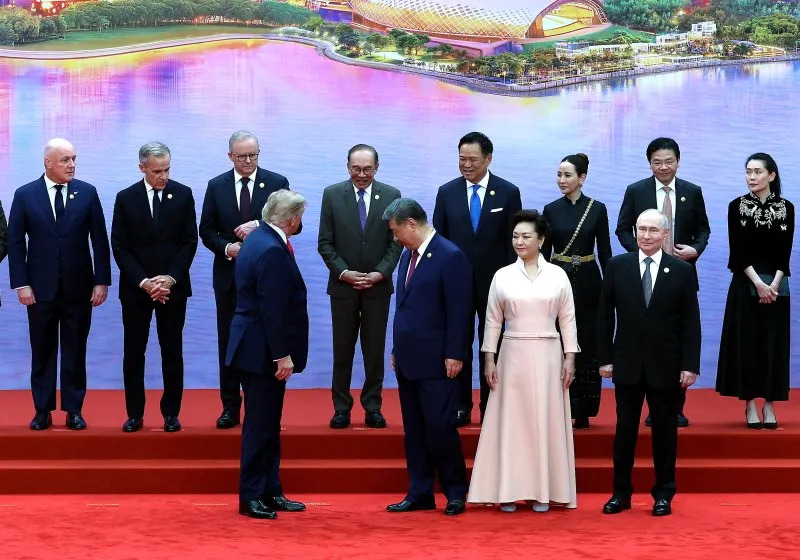
KUALA LUMPUR, Nov 19 — DAP MP for Bagan Lim Guan Eng has urged Prime Minister Datuk Seri Anwar Ibrahim to raise Malaysia’s concerns with US President Donald Trump over Washington’s new licensing requirement for advanced semiconductor exports, calling the rule “collective punishment” of Malaysia.
In a statement today, Lim said Anwar should use the ongoing Asia-Pacific Economic Cooperation (Apec) summit in Shenzhen to ask Trump to reverse the measure.
Lim said the rules aim to stop certain foreign actors from using US technology-based computing power to undermine American national security and foreign policy interests.
However, he said Washington has so far offered no evidence that Malaysia was party to any such activity.
“It is manifestly unjust that Malaysia is subjected to a form of collective punishment, in the absence of any evidence,” he said.
He warned that the rule would affect the 117 data centre projects now in Malaysia and curb the country’s potential for AI-related and electronics investment. He said Penang would be hardest hit.
Under the rule, which the US Department of Commerce said takes effect today, exporters will need a licence to export, re-export or transfer advanced semiconductors to Malaysia, Singapore, Indonesia, Thailand and Brazil.
Washington announced the tighter controls on Monday after a scandal involving Nvidia co-founder Jensen Huang exposed a loophole. Chinese firms allegedly used it to rent computing power from data centres in Southeast Asia and elsewhere that run on US chips barred from export to China.
Huang stepped down as Nvidia chief executive last week after media reports of extramarital affairs. One of the women is a former executive of Singapore-based cloud firm Megaspeed, which is under US criminal investigation over allegations that it helped Chinese companies obtain advanced Nvidia chips in breach of export rules.
The Commerce Department’s Bureau of Industry and Security said the measure is meant to stop remote computing arrangements through third-country data centres from being used to get around US restrictions. It lists the five countries as posing an elevated risk of chip diversion.
Lim also pointed to the scale of trade at stake. Malaysia’s exports rose 34 per cent to a record RM1.6 trillion in the first nine months of 2026 from a year earlier, producing a trade surplus of RM232 billion.
Electrical and electronic products reached a record RM601 billion, up 59 per cent and making up nearly 40 per cent of total exports so far this year.
He said Anwar should press Trump to suspend the rule unless “concrete and verifiable” evidence is produced. He described the US approach as “shoot first and talk later”, and said it was unconstructive and would not help relations with Malaysia.
Singapore said yesterday it was engaging affected companies and US authorities to understand the scope and implementation of the measures, and was exploring ways to facilitate “trusted access” to AI chips for its firms. Indonesia said it was reviewing the rule and seeking industry input on the impact on operations and investment, including in data centres.
Anwar is in Shenzhen for the summit, where he met representatives of Chinese tech firms yesterday to court investment in Malaysia.
