
Malaysians face pricey Indian onions as fresh supply delays cloud Deepavali festival
PHNOM PENH, Nov 1 — Malaysian consumers could pay more for Indian onions ahead of the Deepavali festival as production in Maharashtra, India’s biggest producing state, falls nearly 40 per cent due to weak rainfall.
Irregular rainfall and prolonged dry spells this monsoon have delayed the arrival of fresh kharif onions, the monsoon-season crop, adding price pressure to local Indian markets.
“There could be about a 30 to 40 per cent production drop in Maharashtra because of drought. Farmers across India are facing a shortage of rain due to El Niño and this is impacting onion production because of poor moisture. Prices could gradually increase,” Lasalgaon Agricultural Produce Market Committee Chairman Dnyaneshwar Kisan Jagtap told Bernama on Saturday.
Lasalgaon, a town in the western Indian state of Maharashtra, is home to Asia’s largest onion market and serves as a key centre for setting onion prices in India.
Millions of Hindus around the world will celebrate Deepavali, the annual festival of lights on Nov 8.
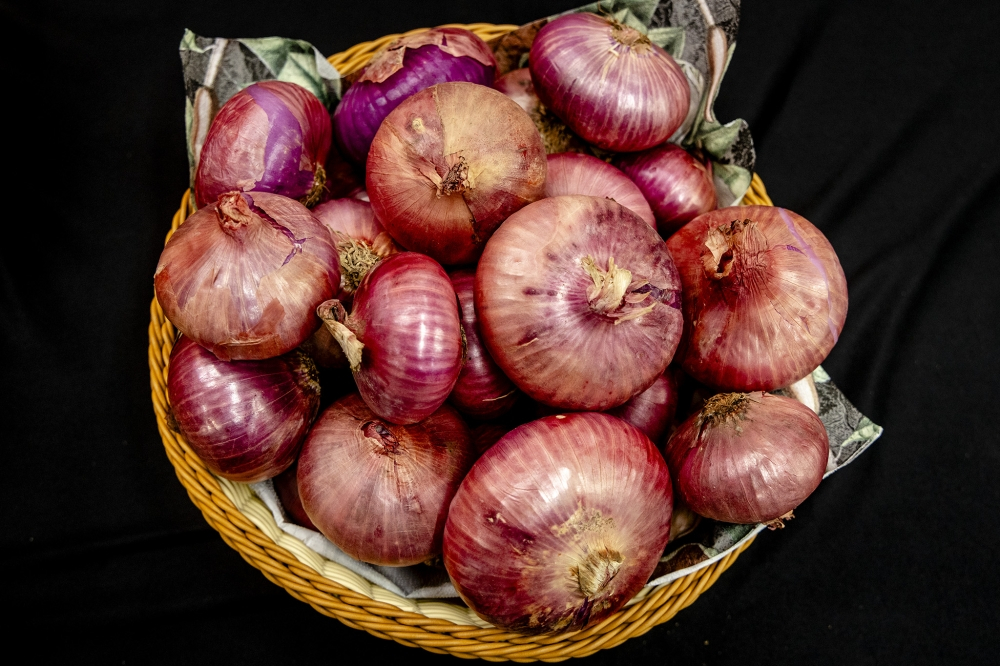
Demand is likely to soar for the reddish bulb, famous for its pungency, colour and long-shelf life. It is an important ingredient in every Indian cuisine.
India is one of the largest onion-growing countries in the world after China, with annual production of about 30 million tonnes. Last year, it exported about 1.5 million metric tonnes of fresh onions, according to India’s Agricultural and Processed Food Products Export Development Authority.
Malaysia imports more than 50 per cent of its onion supply from India, with Maharashtra accounting for a large share of the shipments.
The state produces more than 50 per cent of India’s onion exports.
Indian consumers are currently paying about 60 Indian rupees (0.63 cents/RM2.56) per kg.
Export prices range from US$500 to US$700 per metric tonne (RM2,029 to RM2,841) for standard red onions, depending on the destination, say industry players.
“We are hoping to see crop growth post-Diwali (northern Indian pronunciation of Deepavali) as there has been some rainfall in recent days. We can only see better improvements in the next monsoon season, in July or August,” said Jagtap.
Production remains tight, and prices are volatile, while farmers are likely to face a financial crunch during the festival season.
“Around Diwali, the market is expected to remain sensitive to supply conditions. As fresh kharif arrivals increase, price pressures may ease. However, the extent of any price correction will depend on actual production, market arrivals and demand.
“Countries such as Malaysia that import Indian onions may face higher procurement costs if Indian wholesale and export prices remain elevated,” Sanjay Holkar, a leading exporter based in Nashik City in Maharashtra, told Bernama.
Indian Ministry of Consumer Affairs, Food and Public Distribution, in a statement dated Oct 9, said fresh kharif onions are beginning to arrive from major producing states — including Karnataka, Andhra Pradesh and Rajasthan, while availability from stored stocks continues to meet market demands.
“Arrivals from these producing regions are expected to increase further in the coming weeks, improving overall availability in the consuming markets during the upcoming festive season,” said the ministry.
In Kuala Lumpur, ahead of Deepavali, the Domestic Trade and Cost of Living Ministry capped the prices of essential items including Australian dhal, grated coconut, large red onions and Indian shallots, from November 4 to 10.
Onion prices are currently costing about RM4 per kilogramme in local markets.
According to the Federal Agricultural Marketing Authority, Malaysians consume nearly 750,000 metric tonnes of onions annually.
