
Malaysian banks must back bunkering players or lose business to Singapore, says industry leader
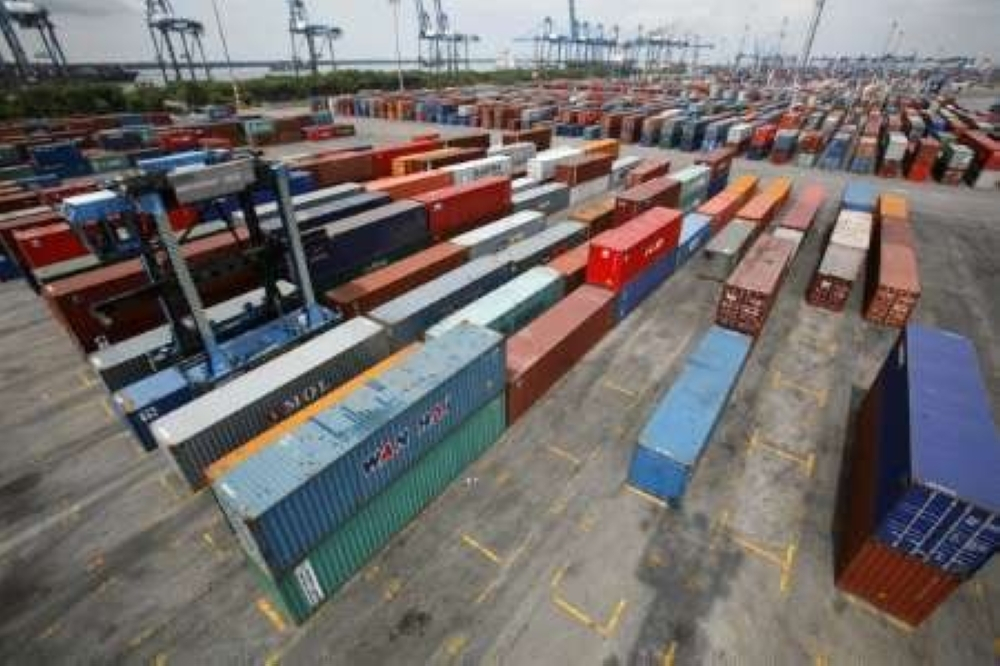
KUALA LUMPUR, Oct 31 — Malaysia’s maritime industry is calling for a stronger financing support from local banks to unlock its investment potential and enable domestic players to expand their operations, particularly in the bunkering sector, said Maritime Network Sdn Bhd chief executive officer Datuk Seri Jeyenderan R.
Bunkering services refer to the supply, storage, and logistical management of marine fuels, lubricants, and essential provisions to power ships and marine vessels.
Jeyenderan said many industry players were interested in entering the sector but faced difficulties securing bank financing, as local banks considered the business high-risk, particularly when financing vessel and bunkering asset purchases.
He pointed out that investors from Singapore often channelled their funds through Singaporean banks instead of Malaysian financial institutions, resulting in potential economic benefits flowing out of the country.
“They don’t use our bankers at all. That has a very bad impact and we can’t be doing charity in our waters. We have very beautiful waters and we have good traffic going on.
“For that reason, we are losing a lot of gross domestic product. Back in the day, we were doing about 600,000 tonnes until 2013, but now, it’s down to 200,000 tonnes,” he said in an interview after appearing on Bernama TV’s Ruang Bicara programme titled “Maritime Industry: Global Challenges, Domestic Impact” yesterday.
On policies, he said clearer guidelines are needed particularly for customs documentation, covering import, export and other shipping-related processes.
Jeyenderan said industry players often face difficulties navigating different documentation procedures and requirements imposed by various agencies, including the Royal Malaysian Customs Department (RMCD), the Malaysian Maritime Enforcement Agency (MMEA), port authorities and port operators.
“For example, we need to know the proper standard operating procedure (SOP) for submitting documents from K1 to K9. These procedures must be confirmed and uploaded into the system so that everyone follows the same requirements,” he said.
The K1-K9 series refers to the standard family of customs declaration forms administered by the RMCD under the Customs Act 1967.
On Malaysia’s maritime industry targets under the 13th Malaysia Plan (13MP) up to 2030, Jeyenderan said it is generally on track to achieving them but needs to better manage and retain waste materials that could be used as feedstock for sustainable aviation fuel production.
