
Adat Perpatih must be preserved and documented for future generations, says N. Sembilan MB
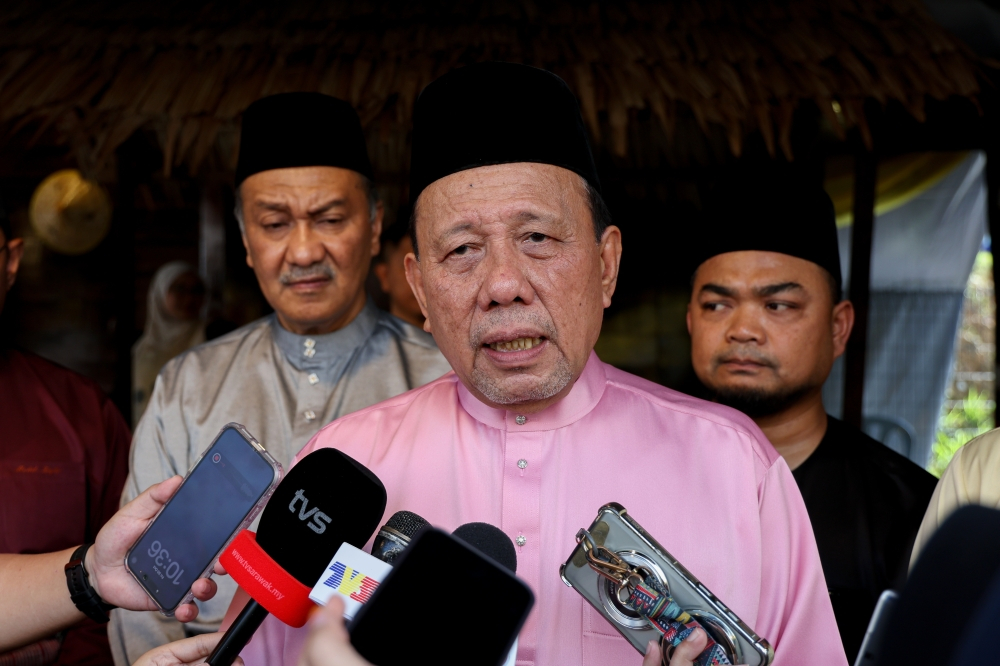
SEREMBAN, Oct 30 — Adat Perpatih, a matrilineal customary law system practised predominantly in Negeri Sembilan, must be preserved and documented through digital technology, academic publications and heritage education to ensure the state’s cultural traditions are not lost over time.
Menteri Besar Datuk Ismail Lasim said safeguarding the heritage was not solely the responsibility of customary institutions and museums, but required the involvement of communities, educational institutions and government agencies.
“Knowledge of the customs, oral histories and traditional practices must be documented for future generations and made more accessible through interactive exhibitions to help the public better understand this heritage.
“Adat Perpatih is more than a set of inherited customs. It embodies a philosophy of life that emphasises consensus, consultation, justice and shared responsibility,” he said when officiating Perpatih Fest 2026, themed Adat Dijaga, Warisan Terpelihara here today.
Ismail said customary leaders, educational institutions and government agencies had an important role in ensuring traditional knowledge and practices were passed down to future generations.
Meanwhile, the menteri besar said Adat Perpatih and the cultural traditions of other communities also had the potential to contribute to the state’s economy through traditional cuisine, performing arts, handicrafts and local history as tourism attractions.
In conjunction with Visit Negeri Sembilan Year 2026, the state government aims to strengthen cultural heritage as a tourism product that attracts visitors while creating economic opportunities for local entrepreneurs.
Ismail said this year’s Perpatih Fest also featured a delegation from Thailand interested in learning more about Adat Perpatih, providing an opportunity to introduce the tradition to a wider international audience.
The three-day Perpatih Fest, running from today until November 1, features demonstrations of traditional luak customs, traditional games, museum and ethnic exhibitions, heritage cuisine and cultural performances.
The festival also includes seminars, discussions and forums on customary institutions and the cultural history of the Malay Archipelago, alongside traditional costume competitions and creative activities aimed at bringing cultural heritage closer to younger generations.
