
Nobel Peace Prize 2026 goes to Navi Pillay, South African lawyer who helped establish rape as an act of genocide
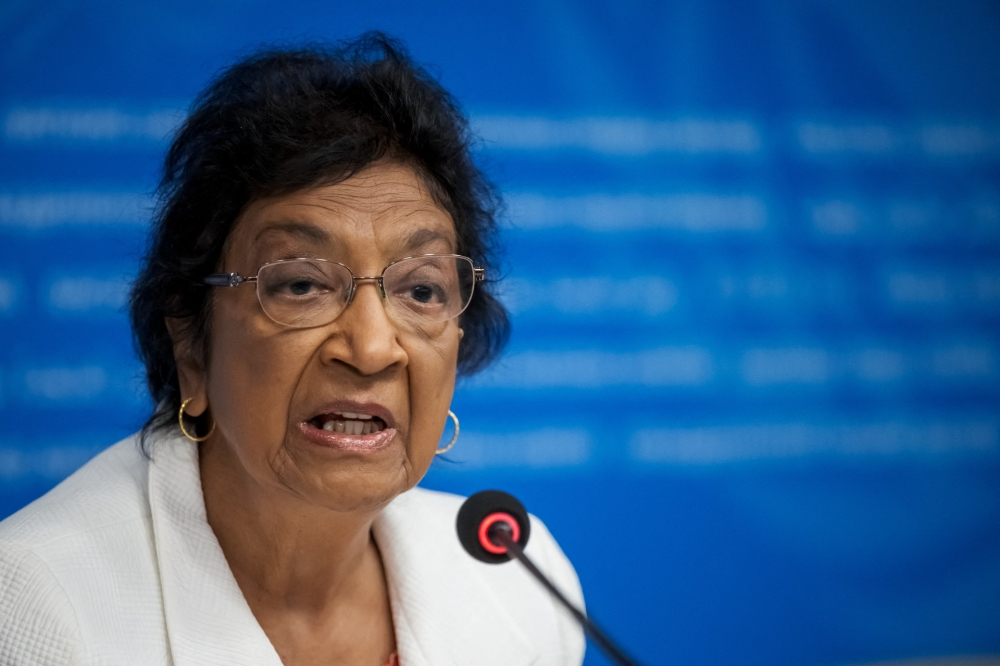
OSLO, Oct 9 — South African human rights lawyer Navi Pillay, who challenged apartheid before helping establish rape as an act of genocide under international law, has won the 2026 Nobel Peace Prize.
The Norwegian Nobel Committee announced the award today, recognising the 85-year-old former United Nations human rights chief for her decades of work defending fundamental rights and advancing international justice.
Pillay, whose full name is Navanethem Pillay, was honoured for her contributions to international law, justice and accountability for some of the world’s gravest crimes.
Her career has taken her from defending anti-apartheid activists in South Africa to serving as a judge in international courts dealing with genocide, war crimes and crimes against humanity.
Born in 1941 into a family of Indian descent in Durban, South Africa, Pillay grew up under apartheid, the system of institutionalised racial segregation that denied the country’s non-white population basic rights.
In 1967, she became the first woman to establish a law practice in South Africa’s Natal province, defending anti-apartheid activists and challenging discriminatory conditions in the country’s prisons.
She later became South Africa’s first black woman High Court judge, marking another milestone in a legal career that would extend well beyond her home country.
Following the end of apartheid, Pillay served as a judge at the International Criminal Tribunal for Rwanda, established to prosecute those responsible for the 1994 genocide.
There, she helped establish landmark legal precedents recognising that rape and sexual violence could constitute genocide under international law.
The precedent marked a significant development in the prosecution of wartime sexual violence, strengthening international legal protections for victims.
Pillay subsequently served as a judge at the International Criminal Court before becoming UN High Commissioner for Human Rights in 2008, a position she held until 2014.
In that role, she spoke out against human rights abuses and pressed governments to uphold their obligations under international law.
More recently, Pillay chaired a UN commission investigating alleged human rights violations in Israel and the occupied Palestinian territories, placing her once again at the centre of international scrutiny over accountability and the protection of civilians.
The Nobel Peace Prize is awarded annually to individuals or organisations recognised for their contributions to peace.
This year’s award carries prize money of 12 million Swedish kronor, an increase of one million kronor from last year.
Pillay succeeds Venezuelan opposition leader María Corina Machado, who won the 2025 prize for her efforts to promote democratic rights in Venezuela.
The award will be formally presented in Oslo on December 10, the anniversary of the death of Alfred Nobel, the Swedish inventor and philanthropist who established the prizes.
