
Deputy finance minister: Malaysia must become tech-driven nation to tackle low wages
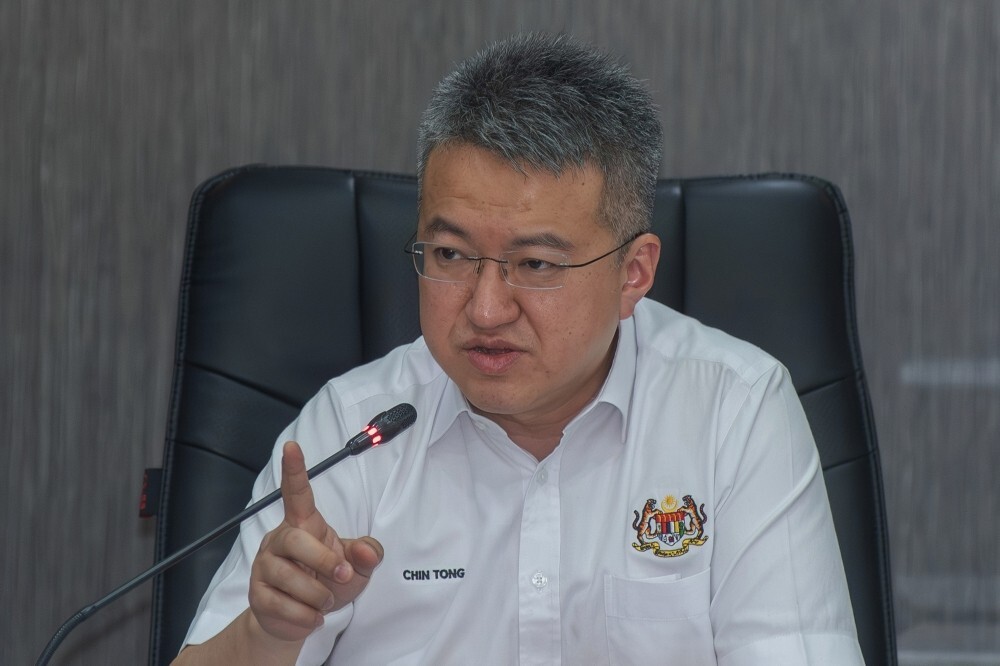
ISKANDAR PUTERI, March 4 — Malaysia needs to shift from being perceived mainly as a trading nation to a technology-driven country by striving to produce its own technological innovations in order to tackle the issue of low wages in the country.
Deputy Finance Minister Liew Chin Tong said the issue can be tackled if companies in the country, including in Johor, have more technological innovations, thereby creating jobs that offer higher salaries to locals.
According to him, the general perception that Malaysian companies merely support the needs of multinational corporations must also be changed with a new mindset within the government.
“Both the state and federal governments need to share responsibility in developing Malaysian companies into multinational corporations,” he said during the Johor state legislative assembly sitting at the Sultan Ismail Building here today.
Liew (DAP-Perling) said the low wage issue must be addressed as it is among the reasons behind the migration of hundreds of thousands of Johoreans as well as other Malaysian citizens to Singapore to become foreign workers.
Liew, who is also the Iskandar Puteri Member of Parliament, said many residents living in Greater Johor Bahru have expressed dissatisfaction about the rising cost of living following the influx of Singaporeans and corporate clients into Johor, which has become increasingly prosperous of late.
Meanwhile, Liew acknowledged the state government’s efforts under the leadership of Johor Menteri Besar Datuk Onn Hafiz Ghazi in developing the state.
According to him, various progress has been achieved over the past three years through joint efforts with the Federal Government, including initiatives such as the Johor-Singapore Special Economic Zone (JS-SEZ), which has placed Johor in the regional spotlight.
He added that Johor Bahru should also be seen as the country’s second economic capital after Kuala Lumpur, especially in the context of its role in the JS-SEZ.
“This also gives confidence that with Greater Johor Bahru being one of the economic guardians, Malaysia can become a more successful nation,” he said.
Greater Johor Bahru includes Johor Bahru city, Iskandar Puteri, Pasir Gudang, and Kulai, which are set to become key destinations for economic growth involving development, industrial, tourism, infrastructure, and real estate projects.
